
The third iteration of Doug Bolden's various thoughts and musings.

Category: Rants

The “Cool Vegan” Letter

You occasionally come across a response or opinion that catches you off guard. The world is a rainbow and there are spectra within spectra, so I am never expecting everything to make sense to any of the MillionBillion Dougs, but still…

Name is obvious retracted, but the source was The Guardian which kind of spoils my obfuscation but I like to cite my sources.

Apologies for any readers with sight issues, but I’ll not quote it in full [see link in caption to find more] but the gist is that the person wishes to see more foods catering cool vegans and vegetarians. The opposite given would be foods like “vegetarian curries and chilli dishes.”

The first thing that caught my eye was simply the use of cool in the presumed context of “people who do not like spicy.” It is potentially a double entendre of sorts, the non-sexy kind. I tried to find if that was a common speech pattern [“cool foods”] and mostly found a website dedicated to more carbon-neutral eating and another blog that hasn’t posted in a few years.

In principle, it reminds of a complaint I read years ago in the comments on Vegan Black Metal Chef‘s videos: that vegans can only stomach their food by making it too spicy. There was a period where it was one of the gotcha arguments against plant-based diets. You can still find some remnants if you search online.

The broad argument, which I am absolutely not claiming is being cited by the letter writer [it seems more likely that they had a few dishes that were all of the spicy version and is making an incorrect generalization], is asinine and untrue. The fact that it almost always coupled with the sibling argument that meat-based foods are just more filling, flavorful, and satisfying without requiring spices is a fake you are being tricked into accepting as face value.

This is leaving aside that some variations of these arguments are clearly framed in racist tones. It’s ok, you also have arguments that veganism is inherently racist. It’s a balancing act.

I’m not sure what the logical fallacy would be called but the structure would go like this: Option A is a problem (based on Opinion C, which may or may not be related to either A or B in truth), therefore Option B must be better though I will avoid discussing it at any depth.

For example, countries with snow can make snowmen and snowmen are fun for children therefore countries without snow are bad for raising children. I’ve created an arbitrary line to judge two elements and then stated those two elements in the context of this line in a way that makes the responder think they have to respond directly to context of the line. It’s the big sister version of “Yes or No, X is bad” and then not allowing any nuance. Tracks great for snippets but not in the real world where very few things are that simple.

Because the spicy plant-based/forward food option is overwhelmed with evidence to the complete contrary.

Not only do many of the same cultures that spice their vegan dishes also spice their non-vegan dishes, the implication that someone craves meat at all times is just false.

Tastes vary greatly by all sorts of factors. As a plant-based American in Europe, I can say from some experience that most “spicy” dishes here are far below the spice tolerance that would be expected back in the States. In our recent trip to Glasgow, even some of the spiciest dishes barely triggered a proper spice response in myself (the Hot Cock is the main standout, thanks Buck’s). The only inverse I have seen is that Delhaize sells a vegan burger [sorry, EU] that has a bit too much cumin. Making it taste more like a sausage patty than expected.

A huge amount of our food stuffs are just naturally plant-based and plant-forward. Yogurt. Olives. Mashed potatoes. Fries/Chips. Bread. Scrambled eggs. Cheese [minus the rennet]. Tofu. Seitan. Hummus. Beer [minus the isinglass]. Ice cream [whether it is made with soy or cow’s milk]. Beans. A lot of soups are so close that it is trivial to cut out any meat. Gravies [at least can be made such]. Puddings. A lot of breakfast cereals that do not have gelatin-based mini-marshmallows [including the vast porridge family]. Muesli. Fruits. Vegetables. The list is extensive. Pizza and pasta is already right there and they are especially easy to play with.

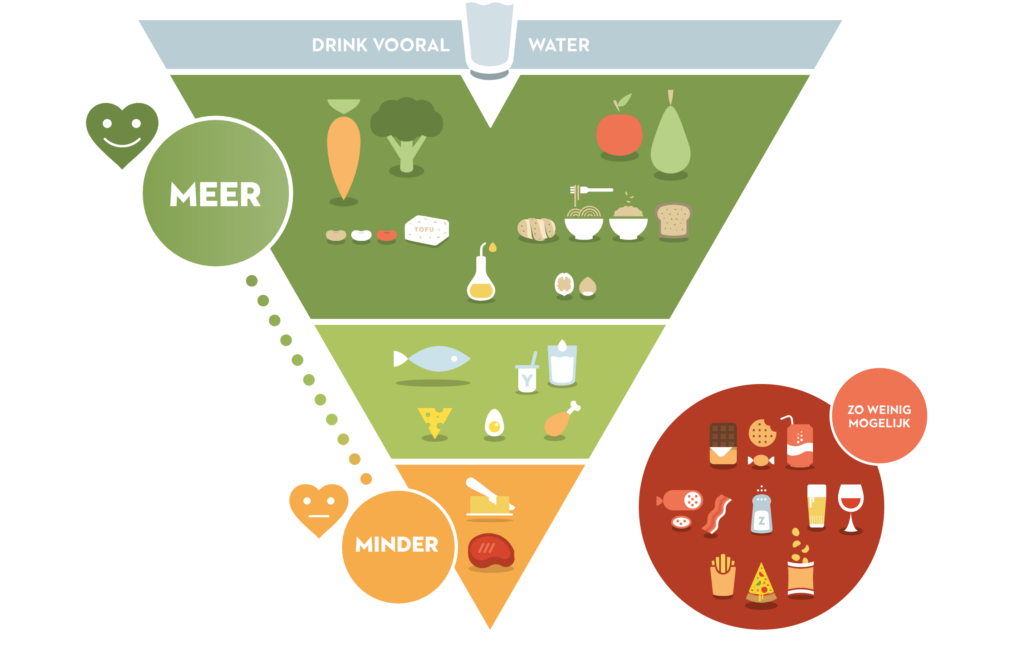
In the usual “food pyramid” type structure, the only bit that isn’t plant-forward is the meat/fish/fowl segment(s). And with the notion that many breads and “calcium-group” items can be made or “replicated” without any animal products at all means only the minority is non-vegan. A few lentils, beans, quinoa, or what have you can cover that gap. It’s actually easier than that to get plenty of protein.

However, a huge amount of food-centric dialogue tries to claim that the second narrowest slice of the food plate/pyramid/etc [only “snacks” is smaller] is the core of the food experience. Sometimes aggressively so.

Fun fact, the Belgian food pyramid (or, at least, one of them) is inverted and has white meat in with the melk-en-kaas category and puts bread up in the eet-meer category, which feels so properly Belgian (though they put beer, chocolate, and fries in the “little as possible” category which is a shocking betrayal).
“Vegans are giving up an important part of their diet and abstaining from the full experience,” is another common fallacy that tries to liken abstaining from meat eating as something akin to self-hatred. Most food is veg*n. By centering every maaltijd around the vlees, you ignore so many flavors and structures inherent in meals.

My advice, then, if you are looking for “cool veg*n” foods, to just take a look at what you eat and eat that. Toss in some ready-made vegan food if you need (Beyond Burger, whatever). If you are at a restaurant, then ask them to tone down the spices where possible.

Another option is to use something like HappyCow to look up plant-based and plant-forward or at least plant-forward-friendly restaurants in your area.

If you need quick meals, then start with the fruits/veg options and toss in some hummus and bread. Tweak, ad infinitum, to your heart’s content. Once you stop having to start with the question of “What goes with the chicken?” you start to realize that food has so many variations that have been broadly locked out by the so-called common sense of the meat-and-two-sides meal structure.

Just deleted most of my Patreon follows, including the free ones

This morning I got a message from a Patreon Creator that was a simple “Hey” but based on previous interactions, I know any response to it would result in this person asking for more money. Let’s call them Person K.

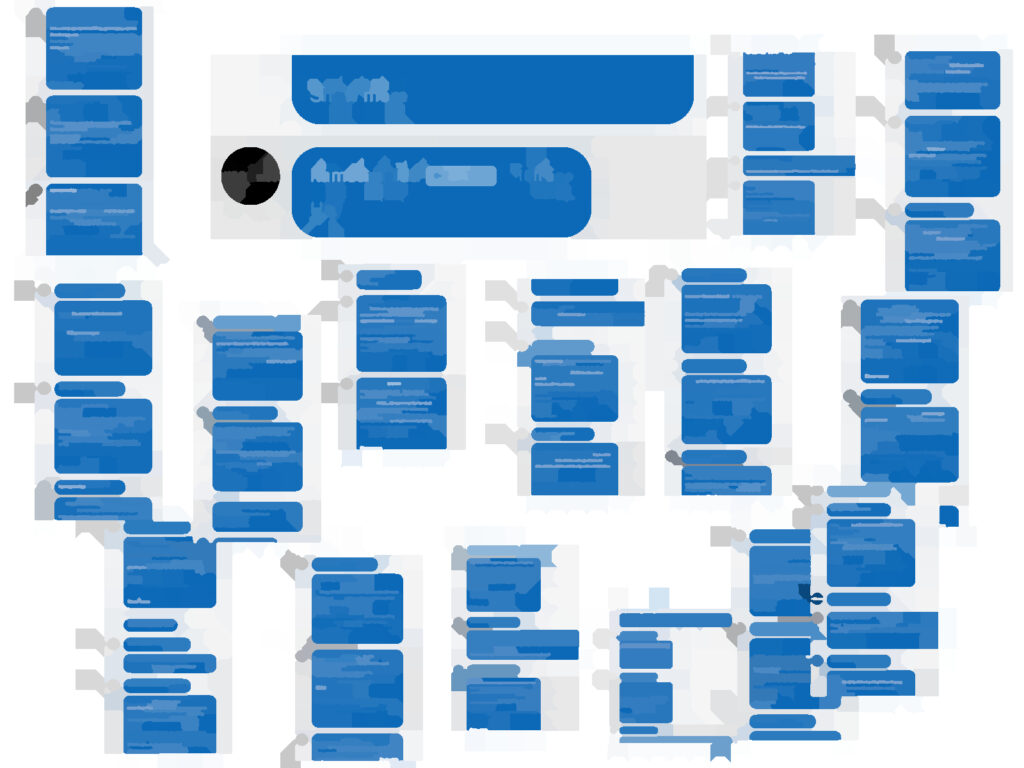
I one time, now years ago, actually did send them some money outside of Patreon. I eventually said I wasn’t going to send them any more and after a few exchanges stop replying. Over the next few years, they sent me a lot:

I obfuscated it because I’m not interested in real naming-and-shaming but that should give you an idea. Each of those blue-boxes is a message, more or less. Most are friendly. Some are a bit insistent. All are basically asking for money. I skipped a few because I think I had enough to establish the point.

Not a single Doug-reply is in there. I left their Patreon a bit back, including the “free tier” [they sent me a “bye Doug :'(” response]. Then they kept messaging me. Not so frequent that I cared all that much.

Today was just a different sort of day, though. The kind of day where I was ready to delete most of the flack off my digital landscape.

I figured out how to block Person K — which gave me a message that Patreon had removed me from their page, so I guess somehow I was a zombie there — and gave a pretty big think about how I wanted to use & engage with Patreon if I kept using it. The final answer, after around thirty total seconds: not much. Very nearly none.

My problems with…well, sort of with Patreon but buckle up because Doug’s about to go off

I have always been a moderate- to lower-tier user, even at peak. There are lots of reasons why I have never gotten deeper into it. Let’s come up with something like a starter three really quick (# given is roughly the order I’d put the problem):

(5) The interface is fairly poor for a website that is one of the major backbones of the indie creator scene.

(3) It quickly gets costly. While backing a couple of Creators is not a whole lot of cash, it is easy to end up backing 10+ and seeing a monthly bill rivaling old school cable bills. Especially with how many Patreons have that stupid “$20+ a month to get your name at the end of my videos” thing.

“I’d like to thank DickMaster2000, the Might Gooble, Tom the Tominator…”

I personally don’t tend to engage with content on a subscription basis, ever. (4) I do things in little bursts.

This means I would back a podcast, listen to some of their backlog, wait a few months (paying the whole time to not use them), and then do another backlog. At this point I might leave or I might wait another few months to pick up another backlog.

If I ever left, if I ever downgraded, I might be losing out in months of content that I could access as long as I kept paying.

Which brings me to a fourth reason which is #2 in the final list, though this is less Patreon-specific and more the whole damned thing that is happening right now:

(2) Business models that promote FOMO [fear-of-missing-out] are inherently problematic: freemium memberships, gachas, crowdfunding with backer-exclusives. Even when they enable some creators to make special content for their best supporters, there are very few safeguards for the backer-side and drive creators to work around this “value added” model.

FOMO is a billion-dollar industry driver across its many facets and a major slice of a lot of the modern hobby landscape. Apps that allow extra features, sites with minor upgrades, games with a few bonus aesthetics, gacha pulls, overspending on crowd-sourcing for extra features, member videos, etc.

I am not necessarily blaming all content-creators. Some do try to take care of their content-consumers. Some are in a place where this is the best way for them to publish their content. Some work very, very hard to make it worthwhile.

And, to clarify: exclusive content is not necessarily evil, no more than having a unique painting for sale at an art festival is evil, but when combined with the structure of the modern content marketplace, it has to be careful.

These massive third parties that run the websites and portals make it a constant focus for content-creators [from big media empires to smaller creators] to drive content-consumers to enter into a buy-in relationship. Break the old game with new characters. Make your character look more unique. Get a campaign exclusive t-shirt that you might never wear. A bonus chapter for your favorite book series. An exclusive series of videos shot in the director’s bedroom!

Come inside, friends, here is exclusive!

Which is where we get to #1 in the ever growing list:

(1) Business models that thrive on parasocial relationships, pseudo-communities, and consumer addiction are inherently evil.

In many cases, they force consumers to spend a lot of time and effort to keep engaging with these communities and hobbies. Not just with the central creators but also the other members of the community, including trophies for heavy interaction and fake incentives to share memberships and similar addiction-driving behaviors.

We all lose (maybe not the platform owners)

These last two feed on each other. Creators are driven into increasingly less-profitable time-sinks to push a business model that has the real capability of driving consumers into feeling actively responsible for the well-being of their favorite creators.

That latter point cannot be stated loud enough. Whether it is time [like, comment, subscribe, share] or actual money and effort, our relationship to content creators is in a terribly strange place now. With many smaller creators having no other real options but to encourage the same predatory behavior that enables other entities [larger content creators and platforms] to also feed upon those same consumers.

Platforms like Youtube and Twitch have created a new type of rock star for us all to want to be. One with the doors kicked wide open. Only, the rules keep changing. The revenue keeps dropping. The user experience gets worse. Creators start tacking on Patreons, memberships, donation drives, subscription drives, an all sorts of behaviors that take away from the core experience that justifies the content creator even being on the damned platform to begin with.

Too often, your success is not about whether you are good or talented or just in it for fun and having a good time. Over and over the message is driven home: success is doing exactly the sort of thing that increases profits for the platform owners, the revenue handlers, and all the people who use them for advertisement. Keep your fans engaging so their data can be more widely shared with entities that are barely required to even admit they in the food chain. .

At best, it is a terrible stop-gap for a broken creator-consumer relationship where a few entities own so much of what we can consume while more indie folk are constantly trying to stay afloat [and here comes GenAI to tighten the screws further while eating the indie creations to learn how to emulate them].

At worst, this is an active abuse of psychological principles that have plagued humanity all the way back to our hunter-gatherer tribal roots. The need for community. The need for recognition. The need to provide. The fear of scarcity.

[Recap] The list in order of importance and slightly expanded

  1. Business models that thrive on parasocial relationships, pseudo-communities, and consumer addiction are inherently evil.
  2. Business models that promote FOMO [fear-of-missing-out] are inherently problematic.
  3. Patreon quickly gets costly if you support more than a small number of Creators or feel the need [see #1 and #2] to engage at a higher tier.
  4. I do things in little bursts, which systems like Patreon take advantage: you either engage constantly or you generate a backlog where you keep paying to avoid missing the content you already “own.”
  5. The interface is fairly poor for a website all about connecting Creators to their consumers, which again means you have to engage frequently or spend time navigating past other temptations.

Um…Doug? We were talking about Patreon…

Right. RIGHT. Sorry, I get a bit ranty when I have a headache.

Also, like…when I don’t have a headache. Just, you know, in general.

The above thoughts had been on my mind for a while. The three “about Patreon” parts (#3, #4, and #5) are really why I just never could enjoy Patreon, personally: the UI, the cost, and the way I actually like enjoying the things I enjoy.

I didn’t like going to the website very much. I refused to get the app. I would get notifications and sometimes actually follow the link to get whatever file or post it was about. I would sometimes skip a month or two and just miss stuff. Every time I had a backlog I would just get frustrated trying to figure out what stuff for which I had “paid” was actually available [note: about that paying for…it’s complicated for such a model].

I still kept it up for a small handful of creators, some just a month or two, because I liked to support them. What’s that, did I feel responsible for them? Yeah, kind of. That is part of the problem, see? You start to feel like you, the viewer, are somehow beholden to pre-pay for content you may or may not enjoy because a lot of those content-creators are nice people with a dream.

However, when Person K from the first section of this post contacted me, it was a breaking point.

I went through a list.

Every Patreon I followed, paid or not, that I primarily enjoyed off-Patreon, I instantly unfollowed.

If I like their content on Patreon but was only there for short glimpses into the background “behind the scenes” type commentary [i.e., one that played, inadvertently or not against my sense of FOMO], I unfollowed.

If I was just there to support them for a bit and had already accomplished that, I unfollowed.

If I was only keeping one around to eventually get around to getting the content to which I had already subscribed but hadn’t actually consumed, I unfollowed. Yes, I lost all that content.

And on a personally selfish level: was I getting my money and time back or more? If not, I unfollowed.

Finally, was it sparking the hell out of some joy..

…if not? Yep.

There were times these points clashed. There were some that actually sparked joy but had exclusive tiers I didn’t want to bother with. Some were worth it but I would rather engage with them elsewhere.

Absolutely none of the people I unfollowed today were honestly bad actors (Person K is the closest to an exception but I can understand wanting money). They were all lovely creators. Just Patreon and all those points above showed up on a day when I headache.

The two which remain + some bonus shout outs

To end this on a kind of positive note, here are the two that survived all the cuts:

  • Witch House Media: I have been following them since their HPPodcraft days and they put out regular, good content about a niche genre that I adore.
  • Tana Pigeon | Mythic: I use Mythic a lot and I love reading the magazine. While I do get to take part in some polls and such and ask questions and whatnot, the Patreon is well worth the fee since I would have spent that money on the books and zines anyhow. It also lets me get some news about something that is a major hobby of mine. Excellently run.

Two that I did not keep for various reasons but did deeply appreciate are Dean Spencer Art and Brandon Scott. Dean Spencer puts out some of the best stock art for content creators and has regular posts and engagement. I just would rather go back to buying the pieces I will use, when I use them. Brandon Scott makes wonderfully creative stuff. He is the most likely candidate for someone I will go back and refollow once my headache clears.

Bonus shout out: Cracking the Cryptic. Lots of interactions, lots of content. I just reached a point I’d rather watch them on Youtube and buy their games/books.

Credits

The “Empty Tunnel”: Photo from from Getty Images via Unsplash+ License.

Powered by WordPress & Theme by Anders Norén